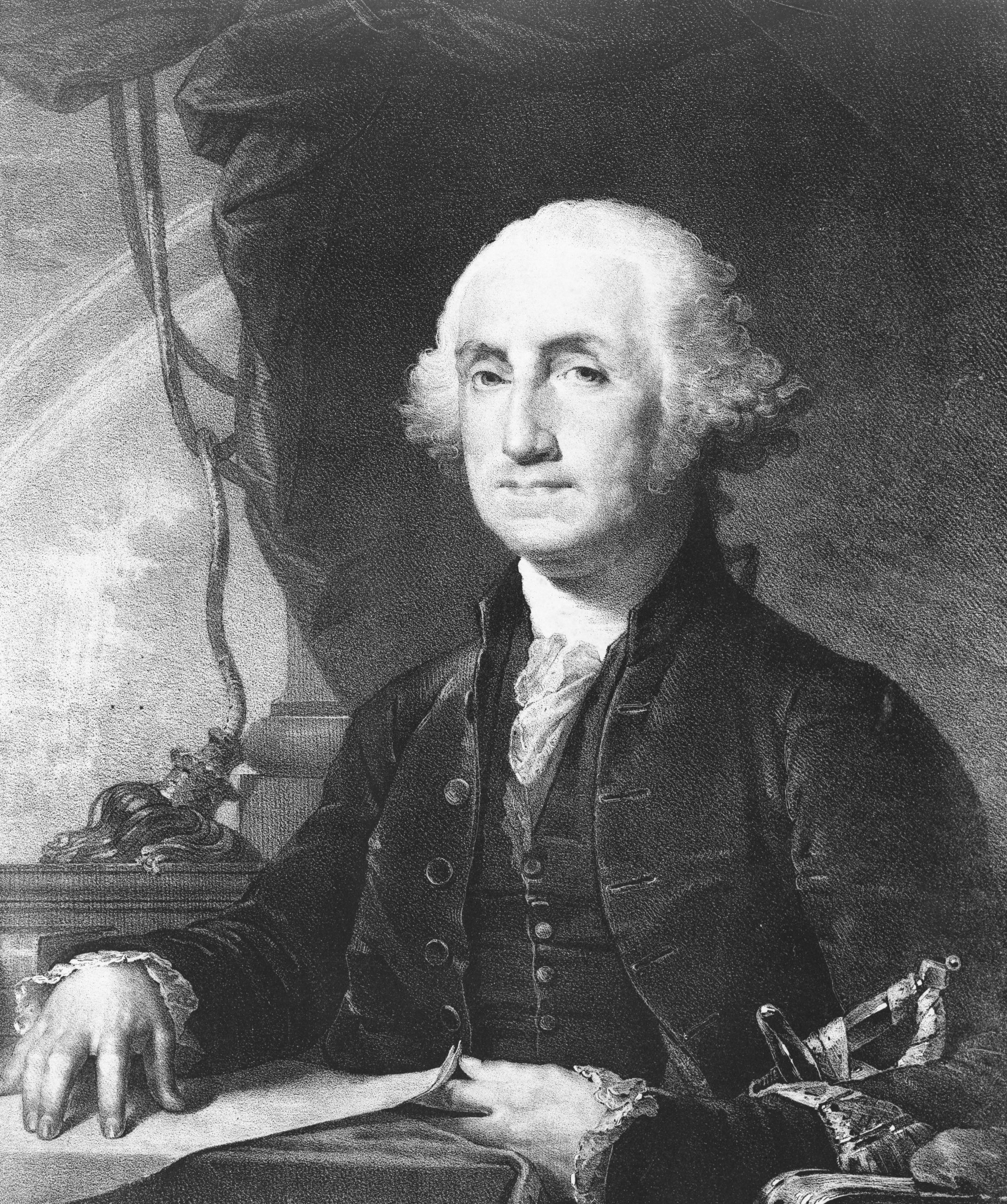
Okay, that’s an overstatement. A lively debate continues, however, about whether we should refer to the holiday as Presidents Day or George Washington’s Birthday. So what’s the issue? And why does anyone care?
What’s in a Name?
Americans began celebrating Washington’s birthday while he was still alive due to his widespread acclaim. The unofficial tradition continued after his death, and, in 1879, February 22 became a federal holiday. Then, in 1968, Congress passed a law which moved several federal holidays to Mondays and Presidents Day was born. The goal was to standardize federal holidays and give government workers more three-day weekends.
The holiday remains officially Washington’s Birthday in the federal code—something most Americans probably don’t realize. In fact, this article calls “Presidents Day” a misnomer which only became popular because of ad campaigns in the 1980s. On the other hand, the National Archives points out that broadening the holiday’s significance allowed America to celebrate Abraham Lincoln’s birthday (February 12) at the same time. Many believe both presidents are uniquely significant in American history and particular honor is due to them.
It was a noble aim, but ultimately combining the birthday celebrations didn’t work. Presidents Day shifted to primarily commemorating the office rather than an individual president, whatever the official name. This weekend, every presidential library will host special programming honoring its namesake. Historic presidential estates remain open on Presidents Day and use the holiday as a marketing tool. Washington’s Birthday has been democratized.
To Change or Not to Change
And yet, the debate continues. In 2004, almost 40 years after the law was passed, federal holiday historian C.L. Arbelbide penned a long article about the controversy—suggesting that, for multiple reasons, Washington’s Birthday should be restored. The trustees of Mount Vernon, Washington’s homestead, still advocate a return to Washington’s Birthday. Furthermore, six out of 11 federal holidays are not celebrated on Mondays, which makes the uniformity argument rather moot.
Conversely, it’s been almost 60 years since Washington’s Birthday became Presidents Day. The holiday is fundamentally changed, celebrating different people, ideas, and institutions. The big birthday parties for George Washington rarely occur anymore. People are accustomed to a three-day weekend in mid-February. Whatever our preferences, 60 years of history cannot just be wiped away without consequences. The rhythm of life has moved on.
Join the Conversation
Do you find this debate interesting? Then why not spend some time this weekend discussing it as a family? The questions below touch on both sides of the issue and can help you direct the conversation.
- What is the significance of a civic holiday in the first place? Is George Washington’s legacy deserving of its own holiday? Why or why not?
- What are the benefits of remembering all presidents rather than specific ones? Is there something important about honoring the presidency as an institution?
- What effect, if any, do broad, non-specific holidays have on our civic memory? Is it important to preserve civic memory at all?
- What does it mean for Americans to have a “collective memory,” as discussed by C.L. Arbelbide in her article? Do you agree or disagree with her perspective?
- Did Lincoln impact America as much as Washington? Should both his and Washington’s birthdays be celebrated separately?
- Is it problematic to compare presidents and presidencies? Do circumstances beyond our control determine who is considered an “impactful” president and who is not?
Enjoy the debate! And Happy Presidents Day!